How To Play Chess - A Complete beginner's Guide
Frequently Asked Questions
Where Chess originated from?
Chess originated in India during the 6th century. Back then it was known as Chaturanga.
What is Castling in chess?
In order to make the king safe, for once, each player is allowed to move the king and the rook at the same time, to push the king behind the pawns to safeguard the king. This is called castling.
Castling can be done on both sides, the shorter side is called short castling, and when done towards the longer side, it is called long castling.
What is En passent in chess?
En Passent is one of the least-known rules of chess. En passent rule says if the black pawn is on the 5th row and white moves a pawn next to this black pawn by two squares then the black may take that pawn only and only on the next move. Check the below images
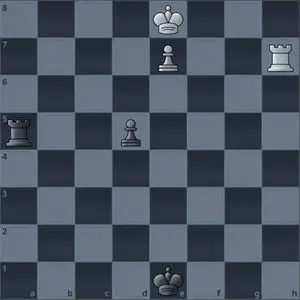 | 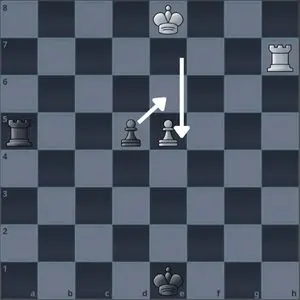 | 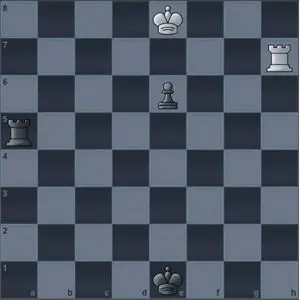 |
In Image one, it's white turn and white pushed his e2 pawn to e4 (image 2). Now black can only now(not later) capture this pawn in the same way as if was played on e3. Black can Capture this pawn by playing his pawn to e3. This is called en-passent.
What is Check in chess?
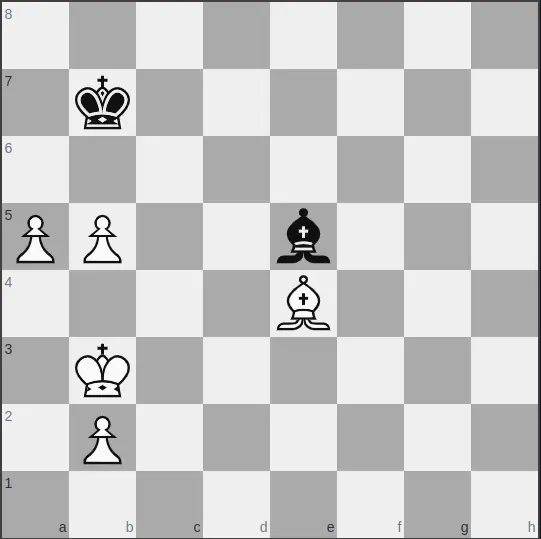
When one player plays a piece to such a square from where it attacks the opponent's king then in honor of the king, the player has to say “Check”. This means the opponent will have to save his king first, either by moving the king to a safe square or by blocking the attack with another piece. In such a condition, we say that opponent is under check. Look at the below image.
What is checkmate in chess?
For checkmate, One player has to give a check to the opponent's king in such a way that the opponent can't save his king. This is called Checkmate. Look at the below image
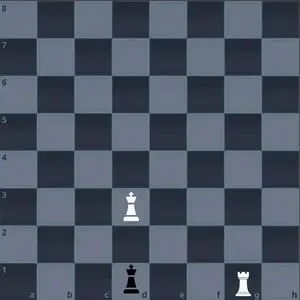
White just played his rook to g1 square and gives a check to black. Now black will have to save his king. But unfortunately, all available squares are covered by white, hence black can't save his king. This is checkmate.
What are different conditions to draw chess game?
A game is considered a draw in the below-given conditions
- Both the players agreed to the draw
- Both players have insufficient pieces on the board to checkmate the opponent's king
- The same series of moves have been played three times.
- The same position has been reached on the board three times.
- If players played 50 moves without playing the pawns
- If it is the player's turn but he/she doesn't have any legal move, It is called a stalemate.
What is Stalemate in Chess?
If it is the player's turn but he/she doesn't have any legal move, It is called a stalemate. Check the below image for such a situation:
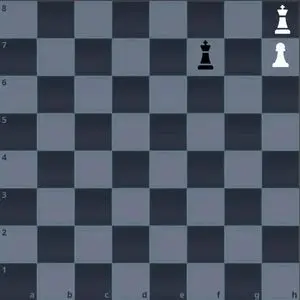
In the above-given position, if it is the white's turn then It will be drawn by stalemate as the white player doesn't have any legal move. All squares for the king are covered by the black king and the pawn's path is blocked by its own king.