Chess notations are way to describe moves as natations. All books uses chess notations to explain a chess game or how chess should be played. If you are beginning with chess then you might find the chess books difficult to understand. Here I am explaining chess notations that will make you go smoothly with reading and understanding the chess bookas well as understanding any game on your own.
What does the chess book teach?
Depending on the book, It may teach below things:
- It may teach you how a particular game is played. It is called game analysis. In order to understand the game analysis, you need to understand the Chess Notations
- It may teach you the rules of the game and how pieces move. the chess notations etc
The most important thing to learn before you can understand the chess book is “Chess notations”.
What are Chess Notations?
A Chess notation tells about a move that is played on the board. eg. If a Bishop moves from one square to another square, then one can explain the move in words eg: the bishop moved from the 3rd square from the right side of the 2nd row (f2) to the 3rd square from the left of the 5th row (c5), or you can simply say Bc5. Obviously one will prefer to say Bc5 as it's short and precise. But what is this “Bc5” and how will you understand it also, how you can explain any move in this way is called Chess Notation.
Understanding Chess Notation
In order to understand chess notation first you will have to understand the names of the squares on the chessboard.
The chessboard has 64 squares and each square is named using its column and row name. Check the below image
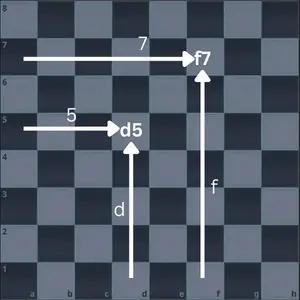
Here I have shown the names of two squares d5 and f7, and have also shown how these names are determined. A square's name is determined by two letters
- The alphabetical name of the column also called Fyle in chess
- A numeric number of the row, referred as rank in chess.
A chess notation which is basically a notation for a particular move is named as given below pattern.
[Letter for a piece that is moved] [Rank or Fyle name if two pieces can reach the same destination square] ['x' if the move captures any piece][name of destination square][ “=” and a piece name, if it's a promotion] ['+' if the move gives Check]["#" if the move delivers the checkmate]
Let's understand each part one by one
- Letter for a piece that is moved: We have reserved letters for each chess piece. Check letters below
- Pawn: “P” or nothing, usually we do not use P, we simply write destination square
- Rook: “R”
- Knight: “N”
- Bishop: “B”
- Queen: “Q”
- King: “K”
- Rank or Fyle name if two pieces can reach the same destination square: If you want to play a knight to a particular square but your other knight can also move to the same destination square then if we do not mention the starting point of the knight then the notation will become ambiguous as the reader will not be able to understand that which knight has moved. In such cases, we mention the Rank name ("1-8") if the two knights are of the same Fyle or Fyle name (a-h) if the two knights are of the same rank. We will explain this in detail after explaining other parts of the notation.
- 'x' if the move captures any piece: If the move captures a piece on its destination square then we denote the capture by the letter “x” (small x)
- name of destination square: Name of the destination square, where the piece lands
- “=” and a piece name, if it's a promotion: If the move promotes a pawn to another piece then we write it as “=Q” if the pawn is promoted to the queen “=R” if the piece is promoted to rook and so on.
- '+' if the move gives Check: If the move attacks the queen or reveals attack to the queen by another piece, then we denote the check by the letter “+” (plus letter)
Now let's practice Chess Notation:
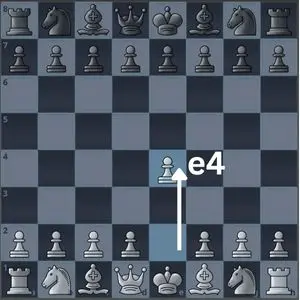
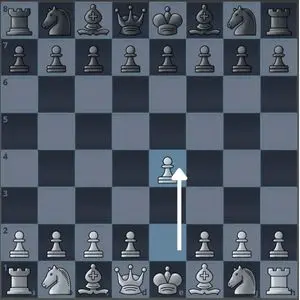
The below image shows the most simple move notation. here a pawn is pushed from e2 to e4, you can notate this move as either Pe4 or simply e4. Generally in books, you will find this notation as e4.
In the below image starting position, the Pawn at e5 square can capture the pawn at d4 square. This move, where the pawn at e5 captures the pawn at d4 is called exd4 here:
- “e” denotes the origin of the moving pawn
- “x” denotes there is a capture
- d4 denotes the destination square
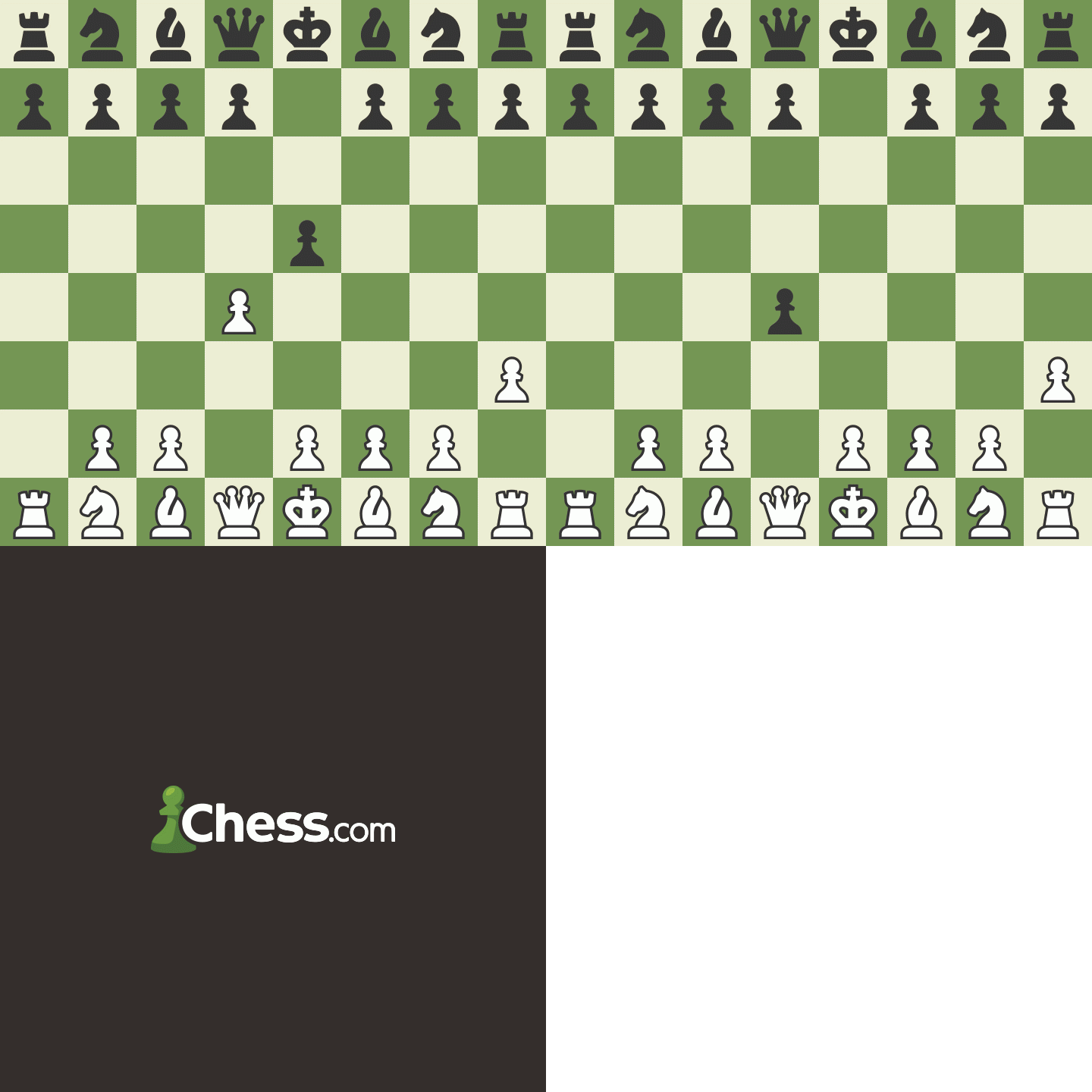
In the below image, the knight is moved from g8 square to f6 square. This move can be annotated as Nf6. Here:
- “N ” denotes the knight is moved
- “f6” denotes the destination square

In the below image the Rook from c7 square moves to c6 square. This move can be annotated as R7c6. Here:
- “R” Denotes the rook is moved
- “7” denotes the origin of the moved rook. This is important here as the rook at c2 square can also reach to c6 square. Hence if we use Rc6, it will be unclear which rook has been moved. Hence to clarify this confusion we must include the origin of the rook as well. Also, we can't use Rcc6 as both rooks are on the same “c” fyle.
- "c6" denotes the destination square
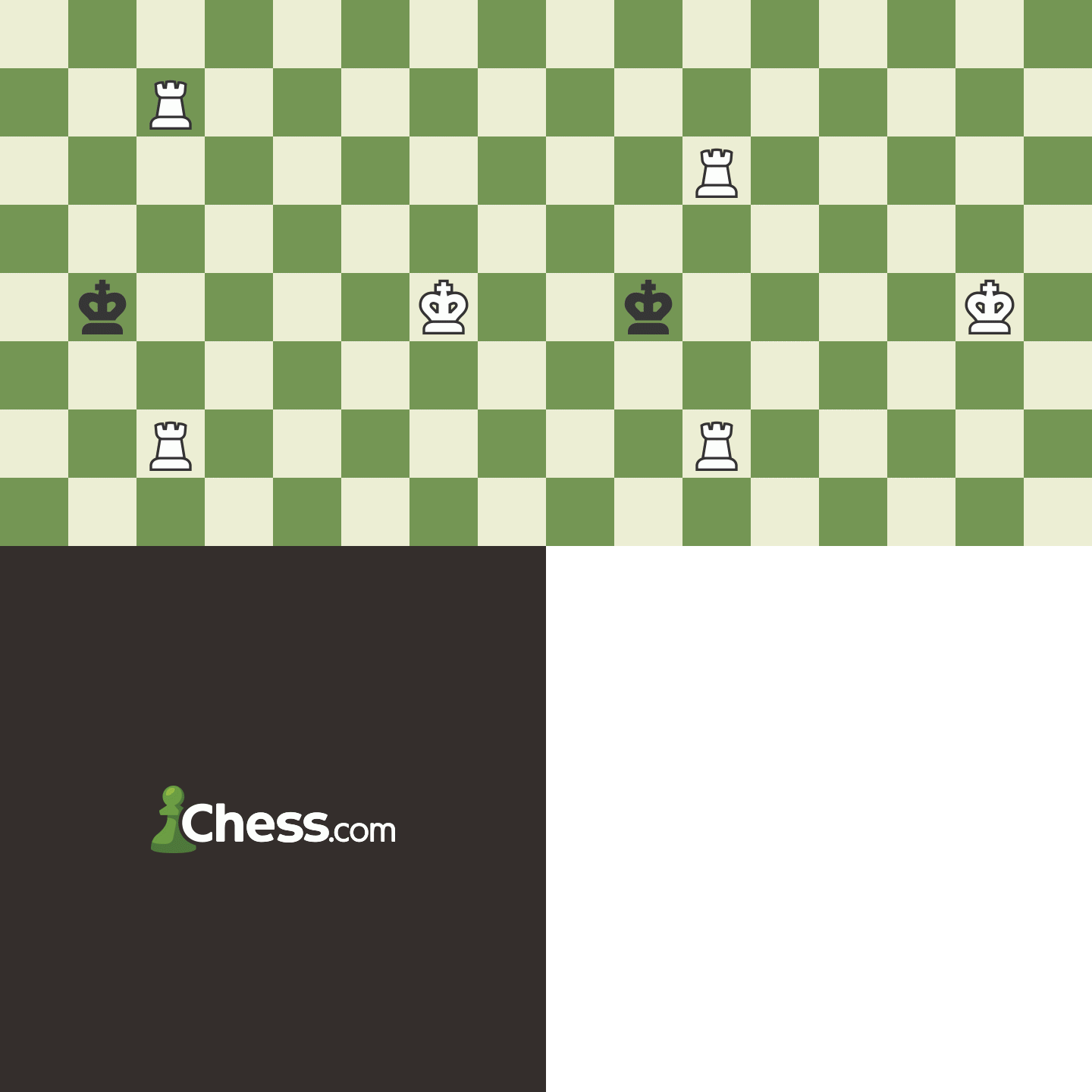
In the below image the Rook from g2 square moves to e2 square. This move can be annotated as Rge2. Here:
- “R” Denotes the rook is moved
- “g” denotes the origin of the moved rook. This is important here as the rook at b2 square can also reach to e2 square. Hence if we use Re2, it will be unclear which rook has been moved. Hence to clarify this confusion we must include the origin of the rook as well. Also, we can't use R2e2 as both rooks are on the same “2" Rank.
- "c6" denotes the destination square
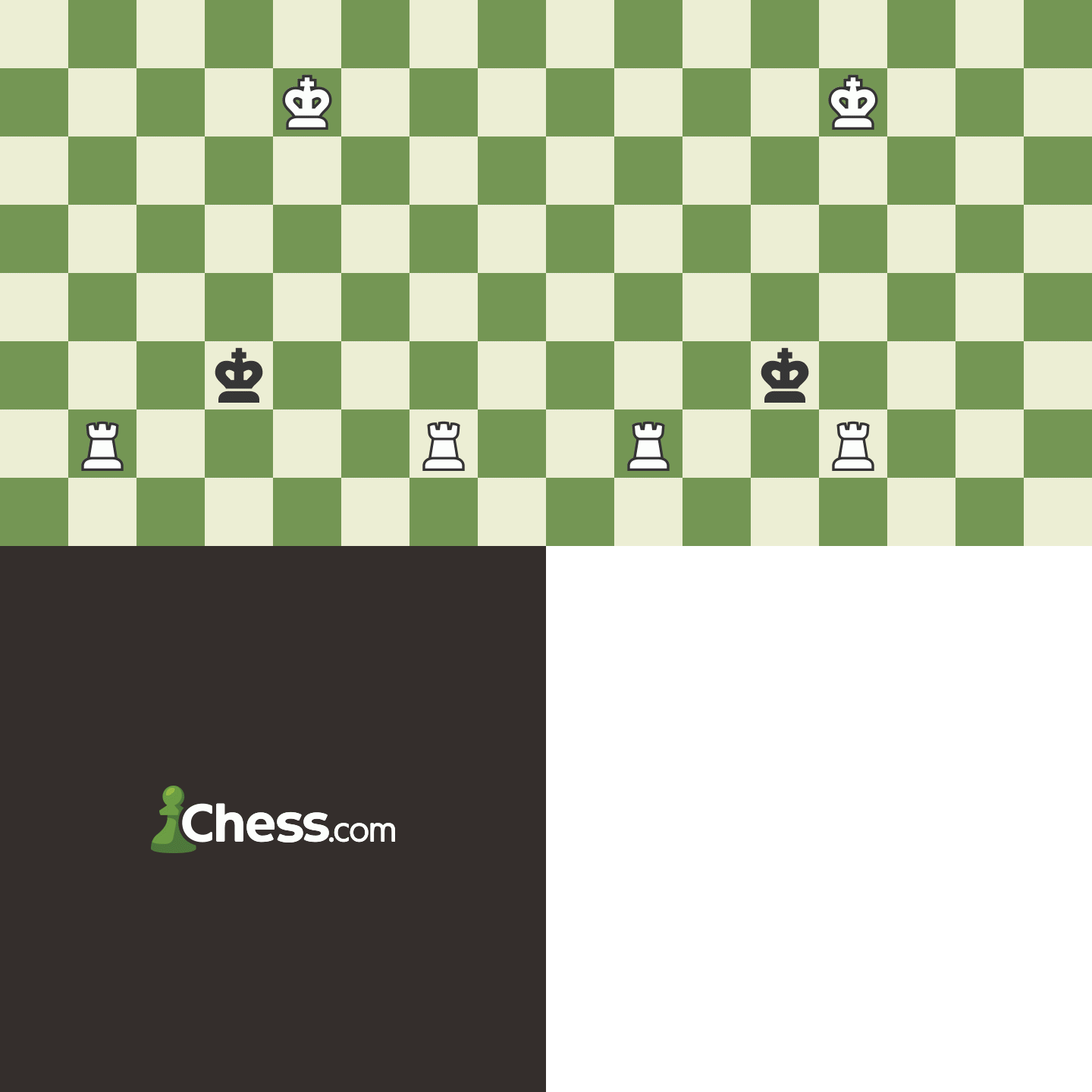
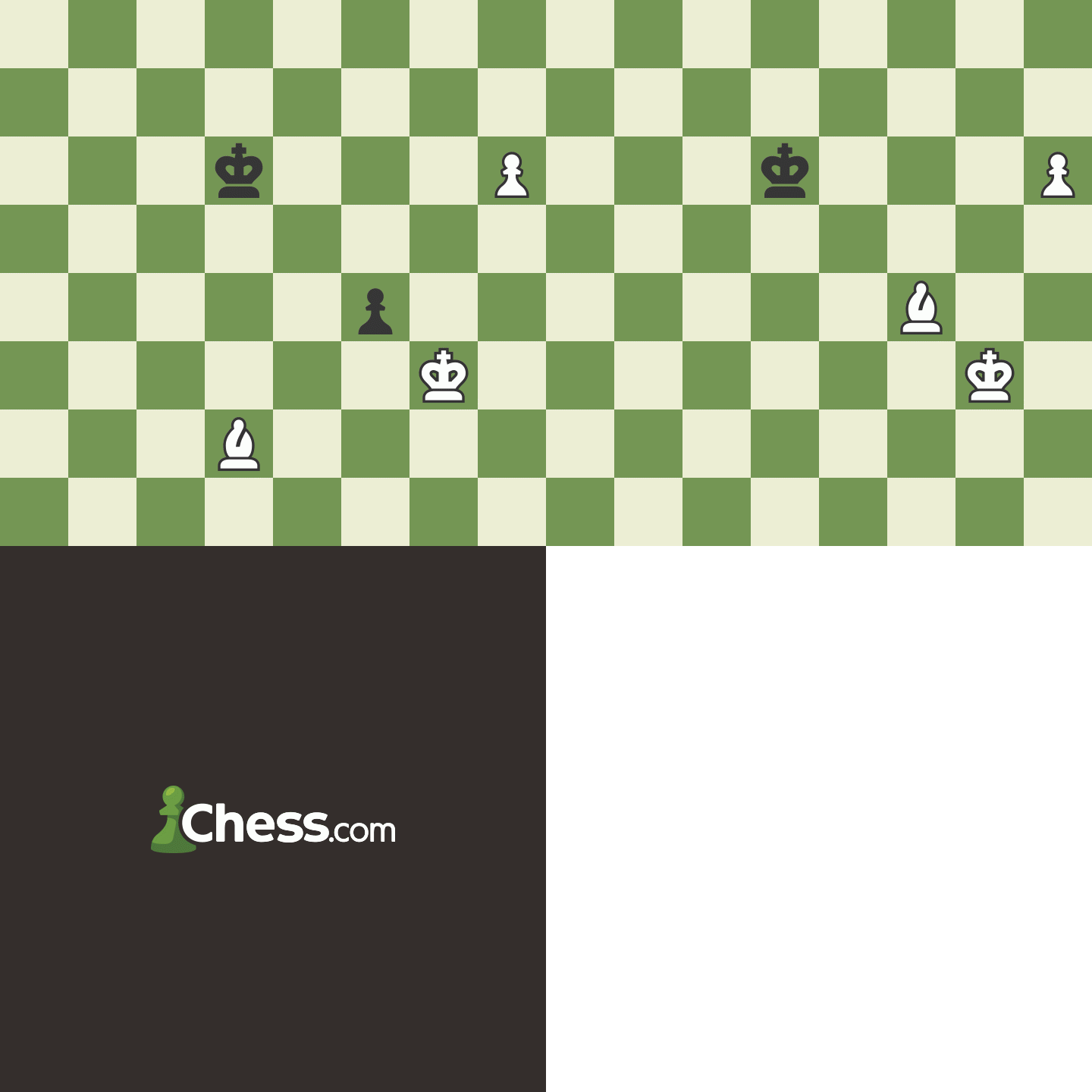
In the below image, the Bishop moved from square d2 to f4 delivering a check to the black king. This move can be annotated as Bf4+. Here
- “B” denotes the Bishop is moved
- "f4" Denotes the destination square
- “+” denotes that after this move black king is under check
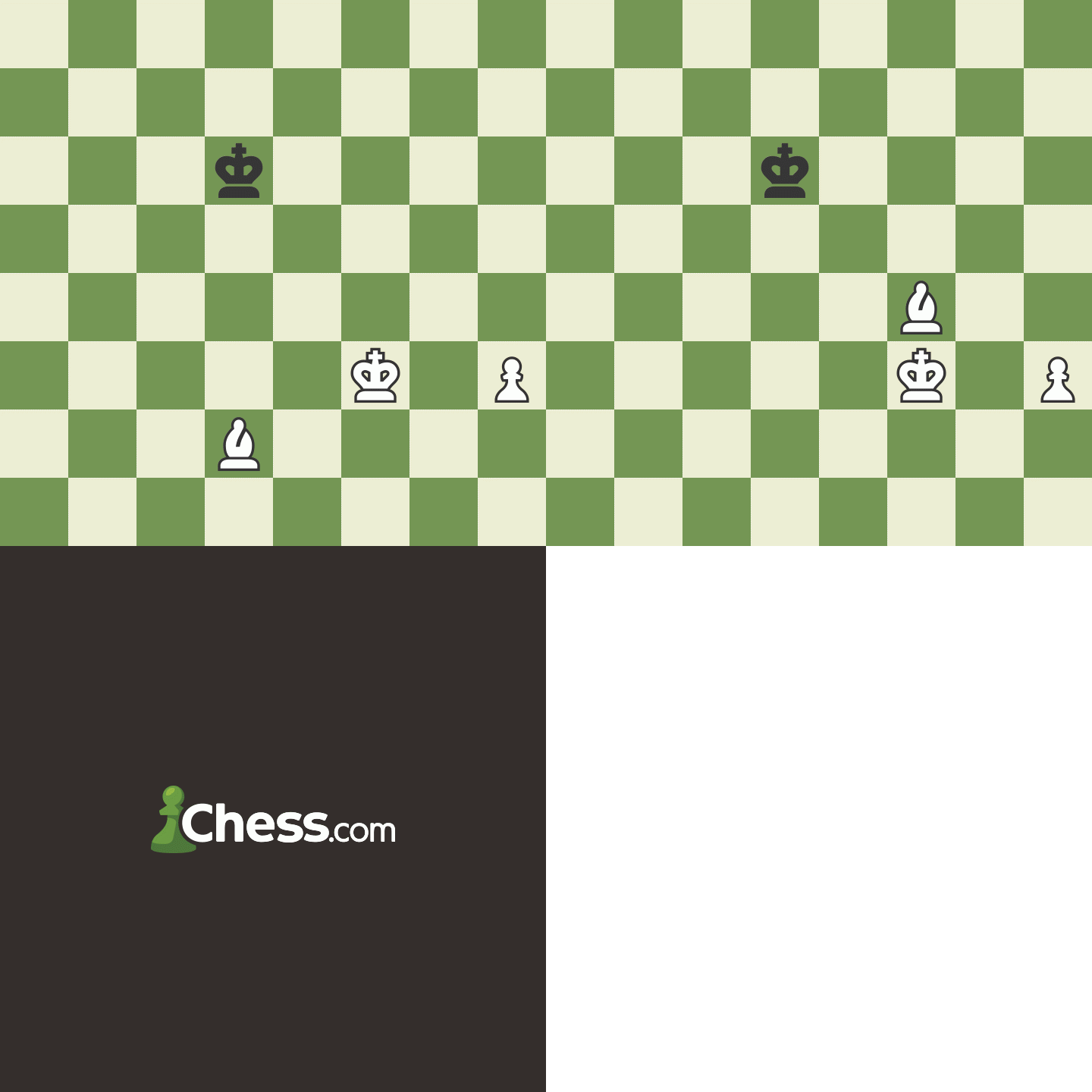
In the below image, the pawn moved from d7 square to d8 square. Since the pawn is reached the last rank It can be promoted to “Rook”, “Knight”, "Bishop" or "Queen". here the pawn is promoted to a queen which also delivers a check to the black king. This move can be annotated as d8=Q+ or Pd8=Q+, as I mentioned earlier, we can skip P, hence in the book usually it is mentioned as d8=Q+. Here:
d8: denotes the destination square
“=” denotes there is a promotion
“Q” denotes that pawn has been promoted to a queen
“+” denotes that after this move black king is under check
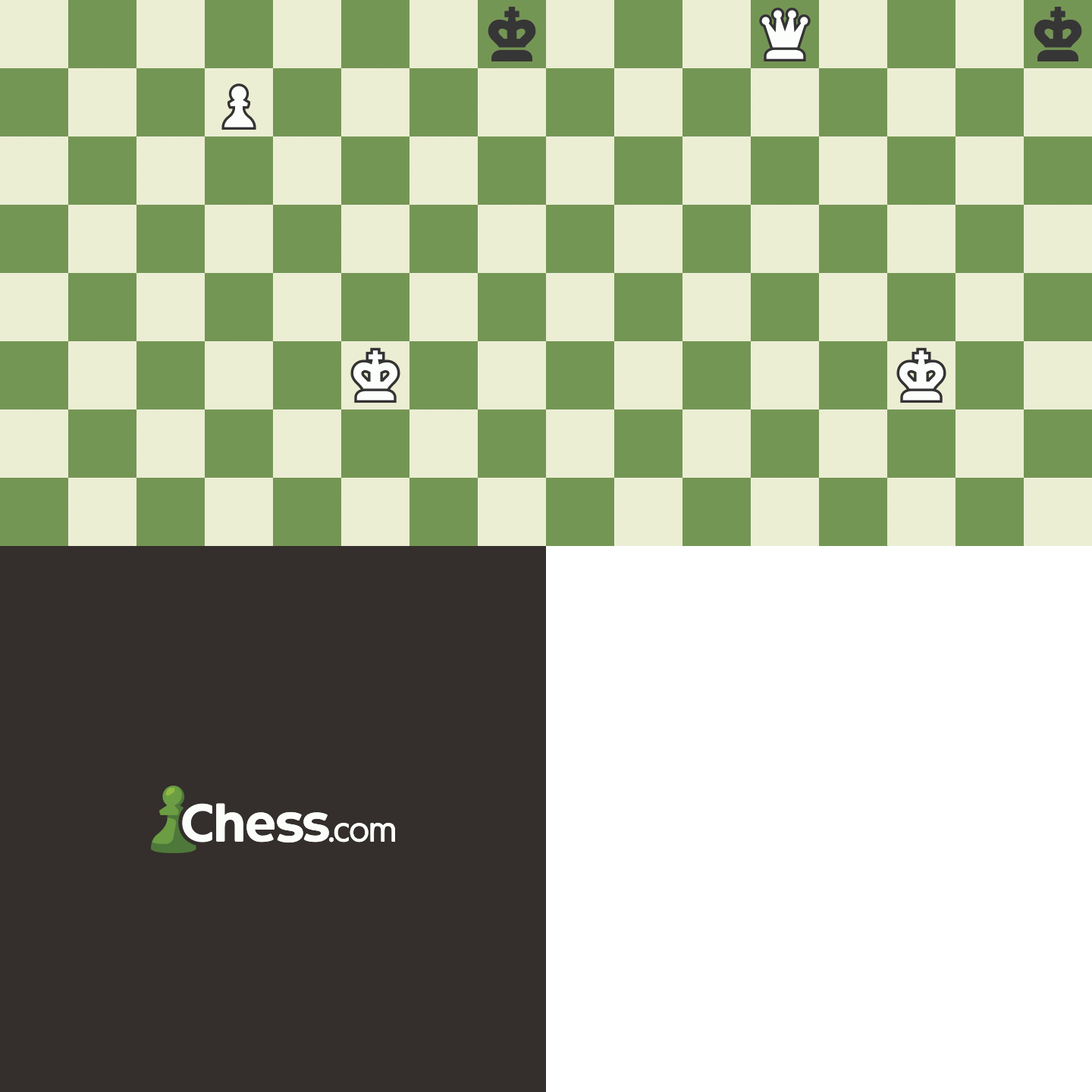
In the below image, the Bishop moved from square d2 to f4 capturing the pawn at f4 square and delivering a check to the black king. This move can be annotated as Bxf4+. Here
- “B” denotes the Bishop is moved
- “x” denotes that there is a capture.
- "f4" Denotes the destination square
- “+” denotes that after this move black king is under check
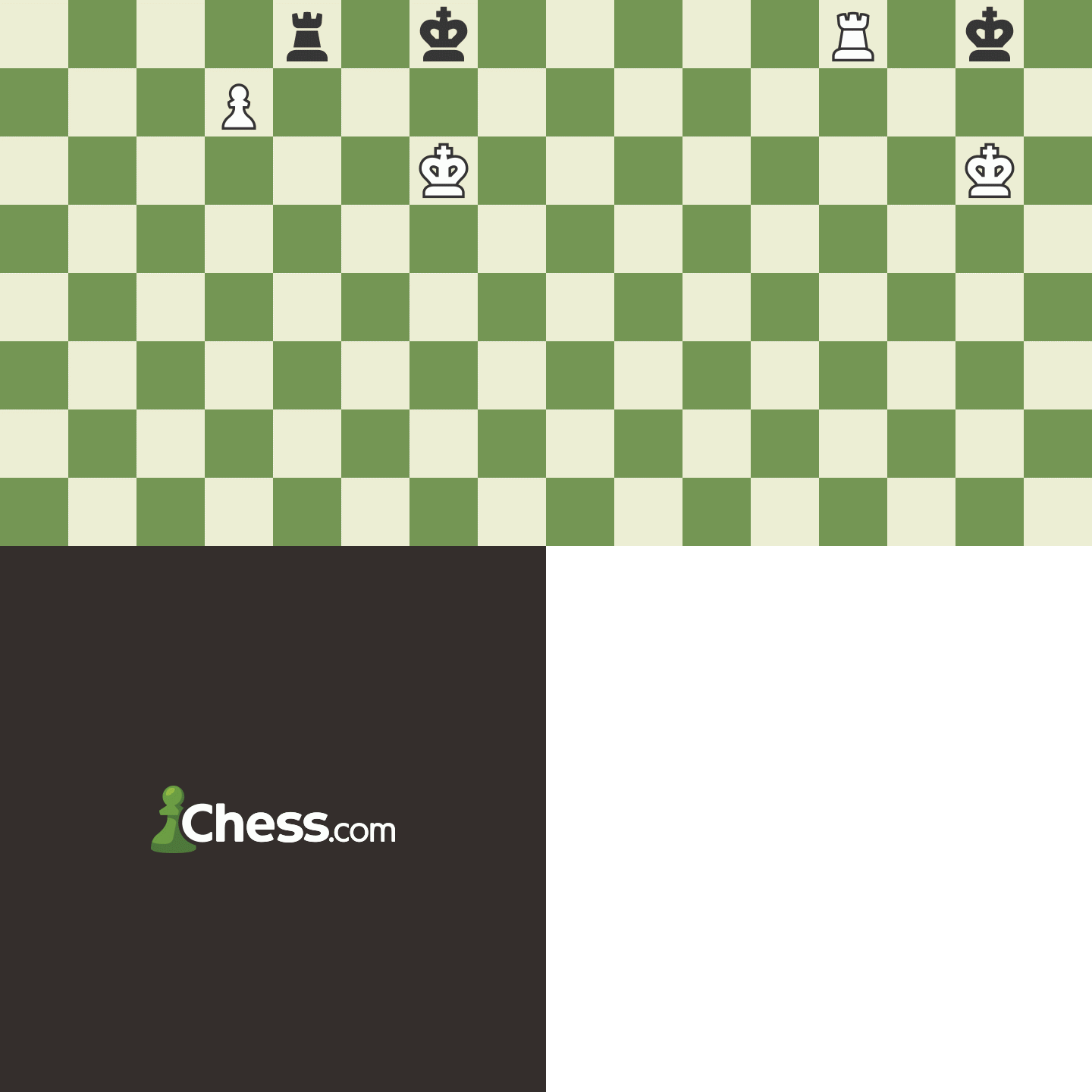
In the below image, a pawn on d7 square captures the rook on e8 square and promotes itself to rook, and delivers the check to the black king. Unfortunately, it is also a mate since the black king can not save itself. This move can be annotated as dxe8=R#. Here:
- "d" Denotes the origin of the pawn
- “x” denotes that there is a capture
- "e8" denotes the destination square
- "=" denotes there is a pawn promotion
- "R" denotes the pawn is promoted to a rook
- “#” denotes that this move delivers checkmate to the black king
I hope that I have explained the chess notations in an understandable and easy way and you have also understood it. These notations are also called “SAN” (Standard algebraic notation).
All modern books use SAN to explain games.
Move Classification Symbols:
In books some moves are suffixed with certain symbols to denote the quality of the move as Best, Blunderrr or brilliant etc. Below are standard move classification symbols
- ! → used for the Best move
- !! → used for the brilliant move which is very difficult to find
- ?! → used for dubious move, It means the player had something better to play but this move isn't incorrect or a mistake in the given position
- ? → used to denote a mistake. The mistake in chess means the opponent now has a chance to improve his/her position or to gain advantage in the given position.
- ?? → Used to denote blunder. The blunder in chess means that the move allows opponent to either win a piece, or the game itself, or has the chance to gain winning advantage in the given position.
Check below exmaples
The Best move
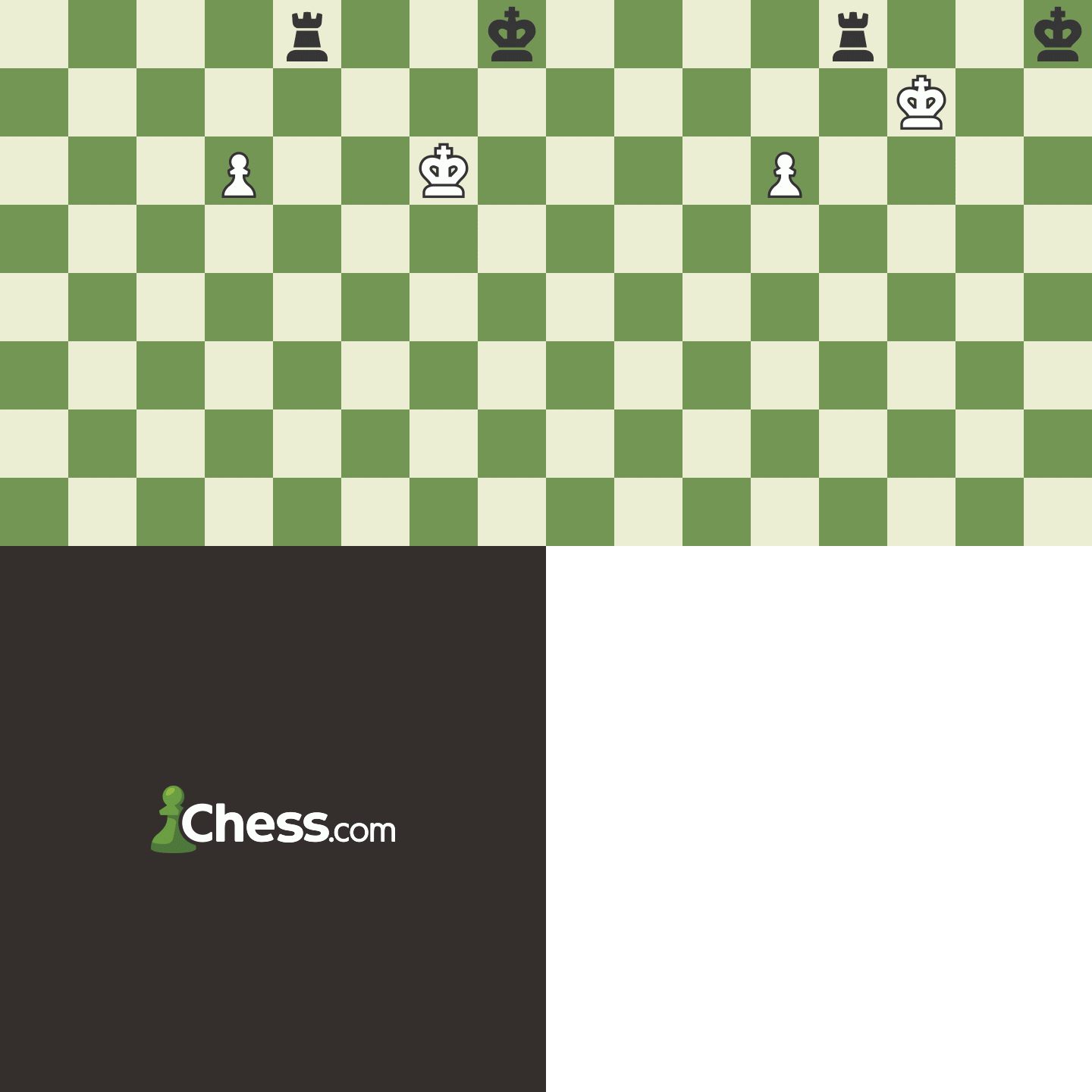
In the below example, the white plays his king to f7 Square so the move notation will be Kf7. Now, in this position if white plays any other move(apart from Kf6, which is also the best move) Black will be able to attack and capture the pawn at d6 square. So this move can be classified as the best move in such position. Hence we will write Kf7! where “!” is used to denote that the move is best in this position.
The blunder
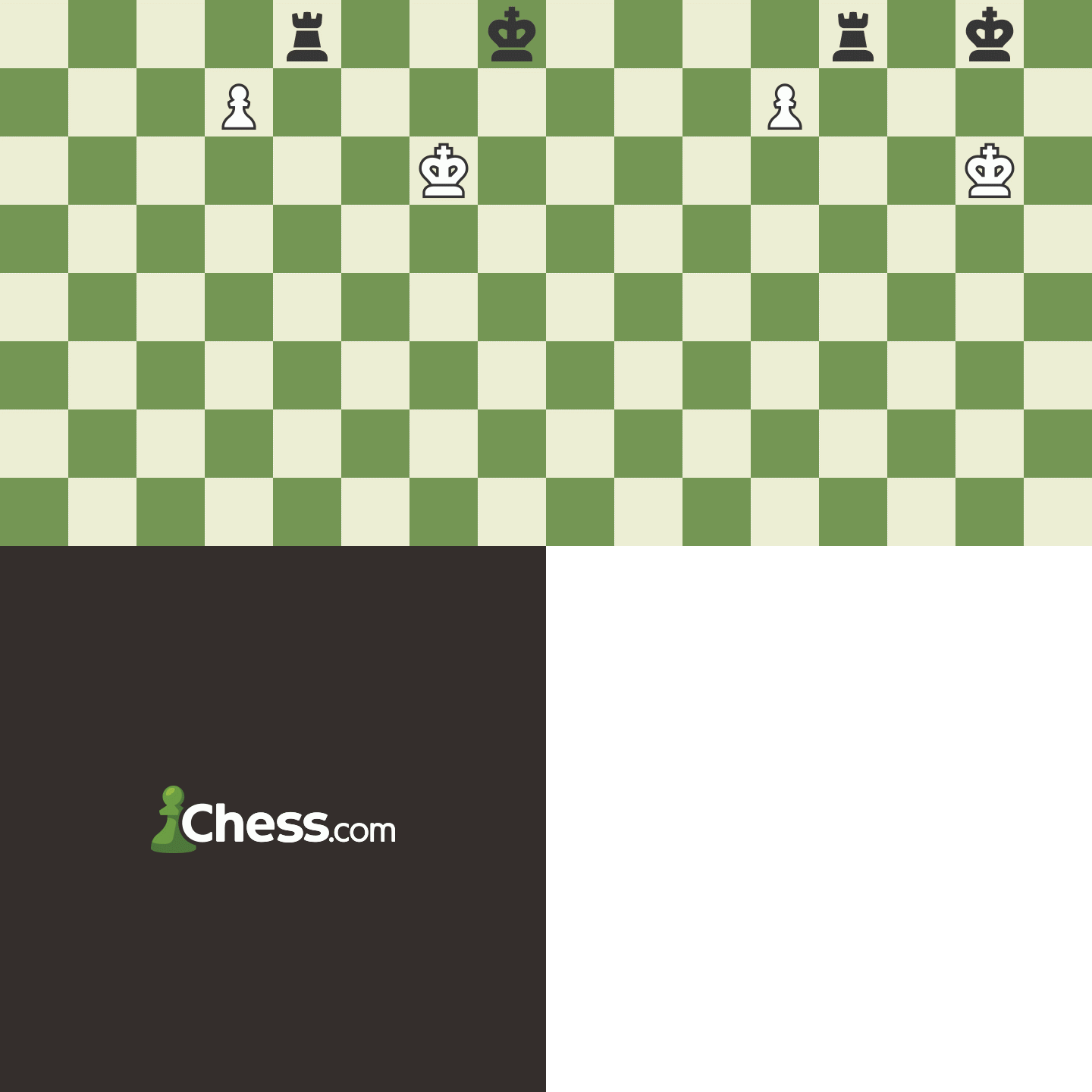
In the below given image, black moves his king to g8 square which allows white to capture rook at e8 and deliver checkmate to the black king. This is a very bad move in this given position. Instead of Kg8 black should have attacked the white's pawn as it can't be saved by the White's king ( white king can't protect the pawn in next move, as it is far from pawn). Hence move Kg8 would be classified as blunder, hence we will use Kg8??
If you are reading an Old book then these notations will not be there. Probably these notations came into play once computers started working on chess. Earlier to that time, there were different ways to annotate the moves. I will explain that in another post. If you have any query for mordern chess notations or SAN (Standard algebraic notation), Please let me know at scriptchesscom@gmail.com.